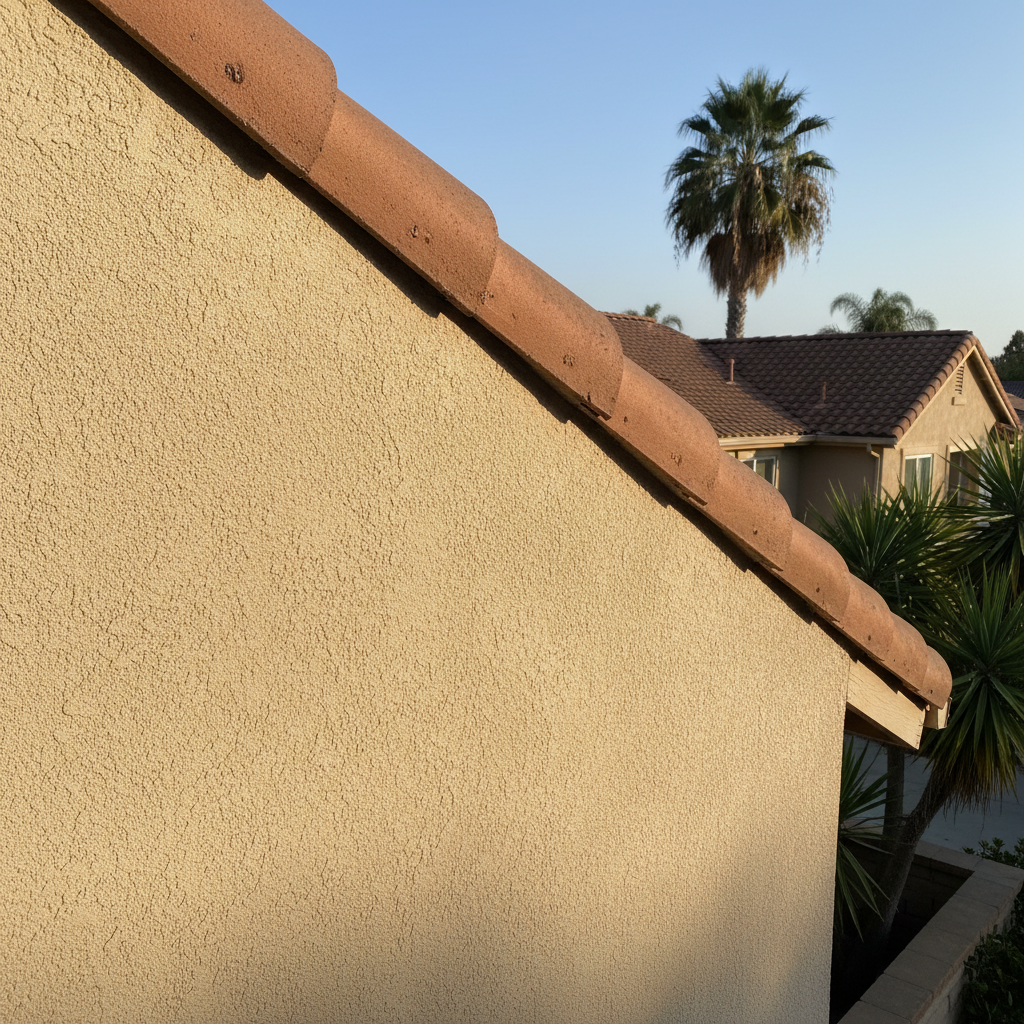
Your stucco's looking a bit rough, huh? Cracks, crumbling bits, maybe even some water stains starting to show. It happens, especially here in Irvine with our bright sun and those occasional Santa Ana winds really drying things out. So, naturally, you're probably asking yourself, "Can I just fix this myself, or is it a job for the pros?" Let's talk it through.
Before You Start: Checking Out the Damage
First things first, you've got to figure out just how bad the situation really is. Are we talking about a few tiny hairline cracks? Or are large chunks falling off, with soft spots, or even clear signs of water getting in around your windows or doors? If it’s just small, surface cracks, you might actually be able to patch those up yourself. Grab some stucco patch compound from a local hardware store, follow the directions, and try to match your existing finish as best you can. You'll be all set. Just make sure to clean the area really well first – maybe even use a wire brush to get any loose bits off.
But if you're seeing bigger problems – like widespread cracking, bulging stucco, or any signs of moisture damage such as mold or rot underneath – that's when you need to hit the brakes on your DIY dreams. These kinds of issues usually mean there's a much larger problem hiding, probably water getting behind the stucco system. That's not just a quick cosmetic fix; it's a structural issue that needs to be handled correctly. Trying to patch over that? Well, that's like putting a tiny band-aid on a broken arm, isn't it?
During the Project: DIY vs. Calling a Pro
Okay, let's say you've got some serious damage and decide replacement is the way to go. What does that actually involve?
- Demolition: This part is messy, dusty, and physically demanding. You'll need to pull off the old stucco, which often means dealing with wire lath and tons of debris. You also have to be careful not to damage the sheathing or framing underneath.
- Inspection & Repairs: Once the old stucco is gone, you'll see what's hiding beneath. This is where you might find rot, damaged sheathing, or even pest infestations. Any of these problems need fixing before new stucco goes on. If you're not comfortable identifying and repairing these, you're probably already in over your head.
- Waterproofing: This step is absolutely crucial. A good stucco system includes a solid waterproofing layer (like building paper or a liquid-applied membrane) to keep your home dry. Mess this up, and you're asking for trouble down the road.
- Lath Installation: Next comes the metal lath, which gives the stucco something to hold onto. It needs to be fastened securely and overlapped properly.
- Stucco Application: This is where real skill comes into play. Stucco usually goes on in multiple coats – a scratch coat, then a brown coat, and finally the finish coat. Each one needs to be applied at the right thickness, allowed to cure correctly, and then finished to get your desired texture. Getting a smooth, even finish, or a consistent texture like a Santa Barbara or lace finish, takes a lot of practice and the right tools.
For most homeowners, tackling a full stucco replacement project is just too much. It's not just about the heavy lifting; it's about understanding how buildings work, making sure the waterproofing is perfect, and getting a professional finish that will protect your home for decades. We've seen plenty of DIY attempts that ended up costing more to fix than if the homeowner had just called us, Irvine Stucco & Plastering, right from the start.
After the Project: Keeping Your New Stucco Looking Good
Alright, so whether you patched a small spot or had us replace a whole wall, what's next? Maintenance is key to making your stucco last. Here's what you should keep an eye on:
- Regular Inspections: Walk around your house a couple of times a year, especially after heavy rains or strong winds. Look for new cracks, any discoloration, or other signs of damage. Pay extra attention to areas around windows, doors, and where different materials meet.
- Cleaning: Stucco can get dirty, especially on those north-facing walls that don't get much sun. A gentle wash with a hose and a soft brush can often do the trick. For tougher stains, a mild detergent and water solution is usually safe. Just avoid high-pressure washers, as they can actually damage the stucco surface.
- Painting & Sealing: If your stucco is painted, you'll eventually need to repaint it. This is a good chance to use a high-quality elastomeric paint that can bridge small cracks and add an extra layer of protection. If your stucco isn't painted, you might think about a clear sealer to help repel water, especially in places like Portola Springs where homes get a lot of direct sun and the stucco can really take a beating.
- Drainage: Make sure your gutters are clean and directing water away from your foundation. Proper grading around your house is also super important to stop water from pooling against the stucco.
Look, I'm all for homeowners tackling projects they can handle. It's satisfying. But when it comes to something as vital as your home's exterior, especially with stucco, it's often best to leave the big stuff to the pros. We've got the experience, the tools, and the know-how to do it right the first time – saving you headaches and money down the line.